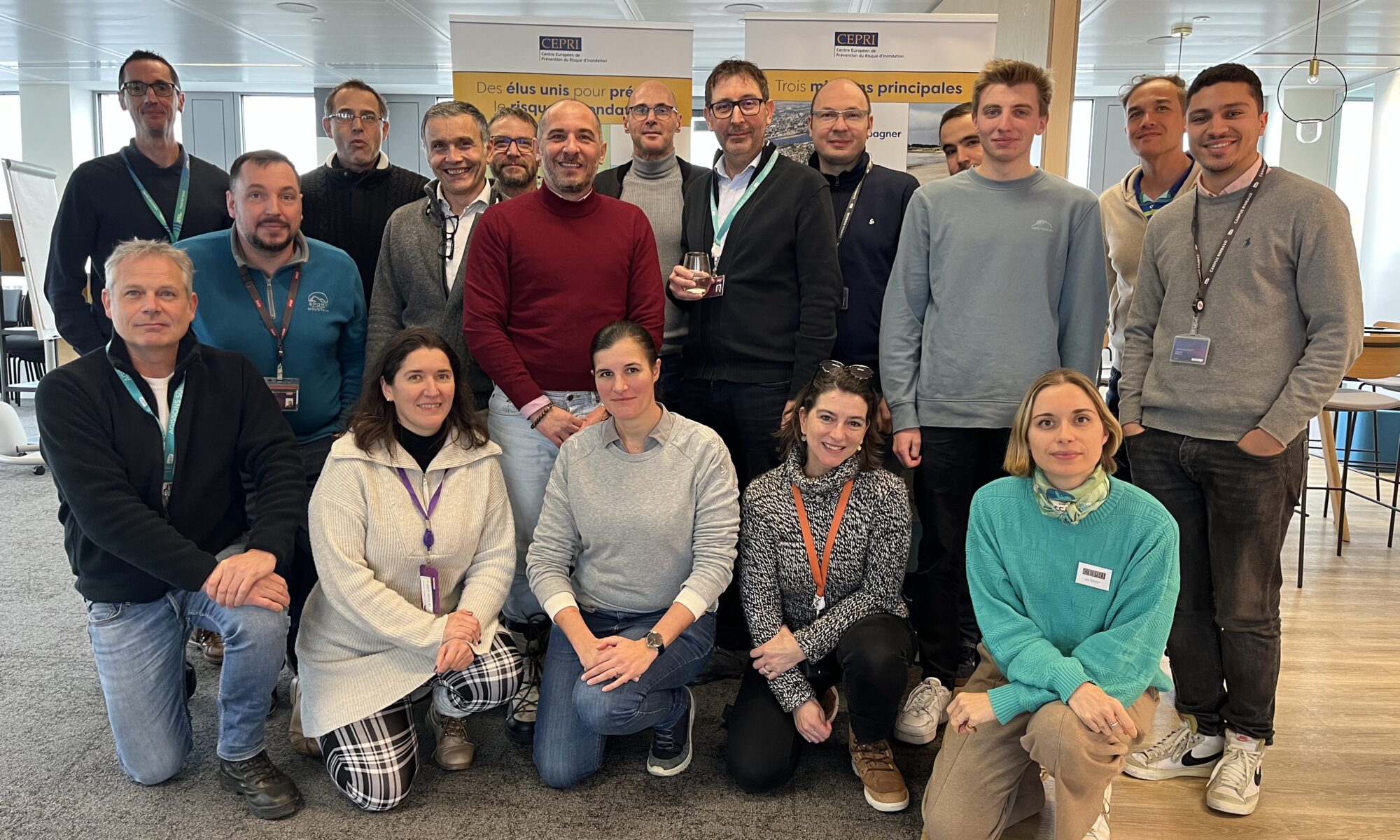
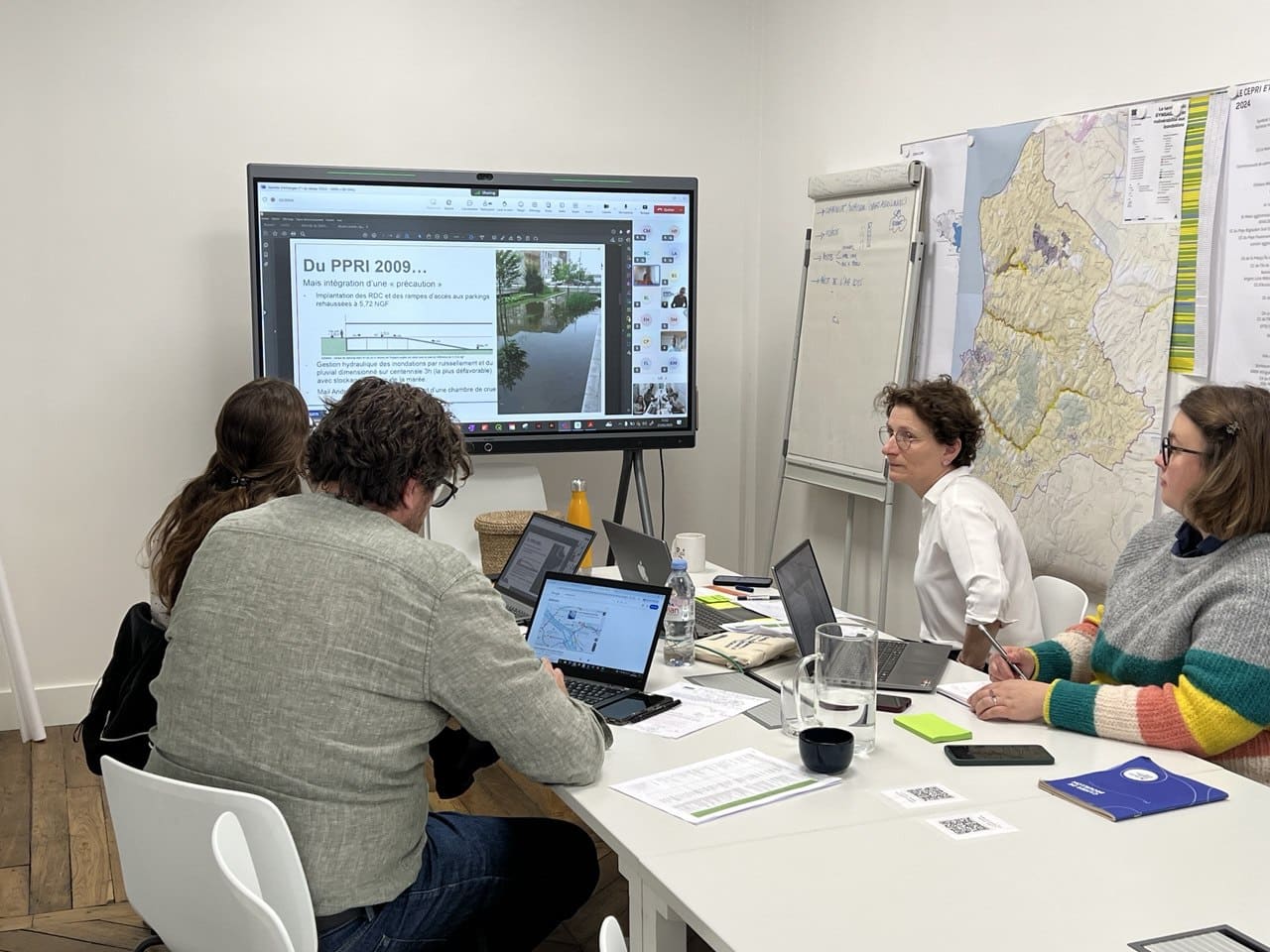
The morning was dedicated to role-playing very concrete situations, inspired by everyday life in Paris, to better understand the impacts of flooding on residents and economic activities.
Paulette, a retired woman living in Belleville and using a wheelchair; Charlie, who lives on a houseboat; Marta, a single mother in a high-rise building in Beaugrenelle; and Sofiane, who runs a restaurant on Boulevard Haussmann — all these profiles sparked rich discussions and strong reactions among participants.
Through these immersive scenarios, participants were able to grasp how the impacts of a flood extend far beyond material damage alone, affecting living conditions, mobility, economic activity and the organisation of essential services.
In this context, SNCF Réseau stands out as a key operator, likely to be on the front line in the event of a flood comparable to that of 1910 in Paris. Managing the interdependencies between networks, uses and priorities becomes a central challenge in order to anticipate, coordinate and limit disruptions.
These exchanges highlight the value of immersive and participatory educational approaches for developing a better understanding of flood risk and encouraging concrete action.
Among the major issues currently shaping the parliamentary agenda, the GEMAPI competence (Flood Prevention and Aquatic Environment Management) is set to become one of the key topics of discussion in the coming months. A private member’s bill is expected to be tabled shortly before the Senate, opening a new phase of debate on the organisation and future of this competence.
In this context, CEPRI remained fully mobilised throughout 2025, with the aim of contributing to the parliamentary debate and providing analysis grounded in on-the-ground experience.
This mobilisation first took the form of a national survey designed to gather feedback from elected officials and technical staff from local authorities, EPTBs and river basin syndicates. This work made it possible to produce a comprehensive overview of the GEMAPI competence, eleven years after its creation.
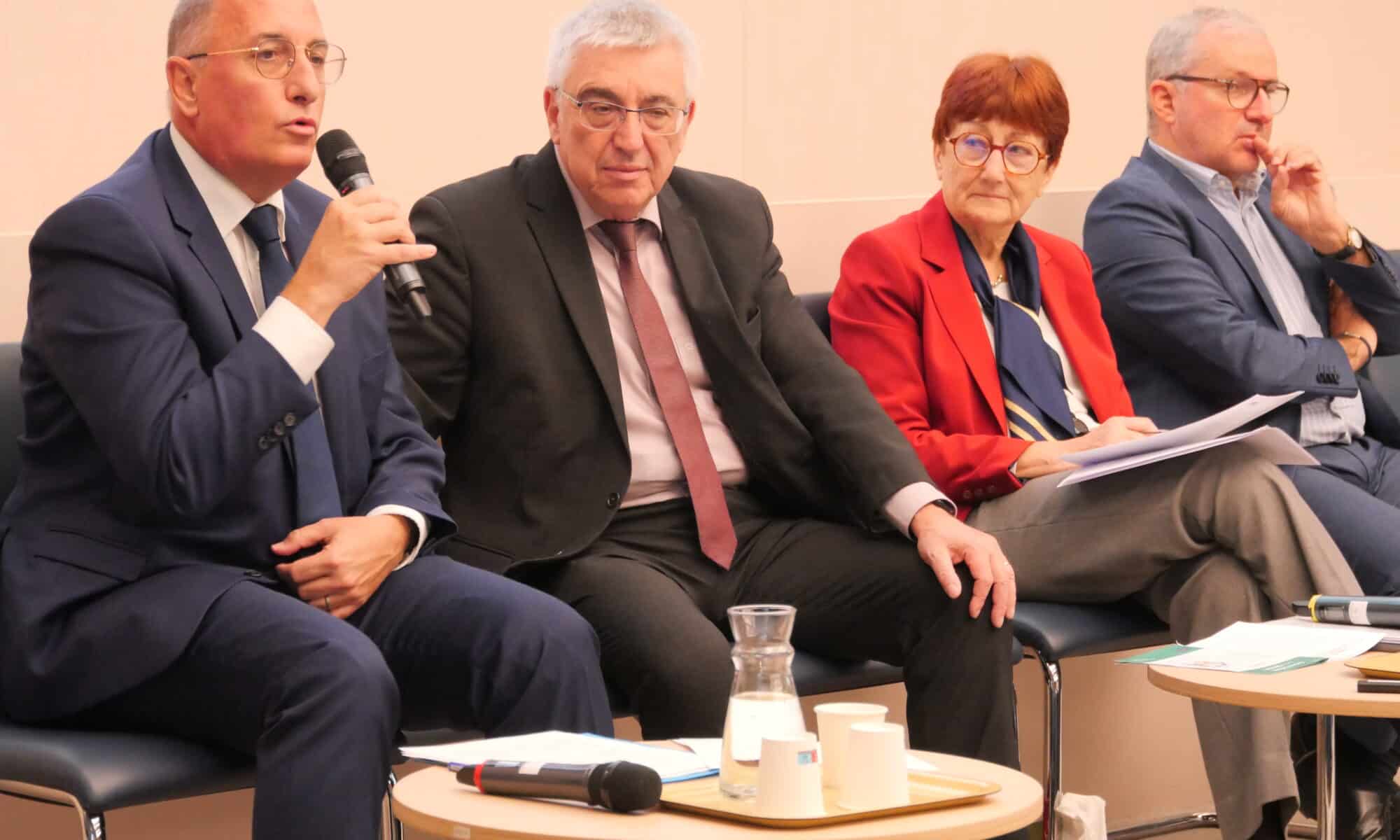
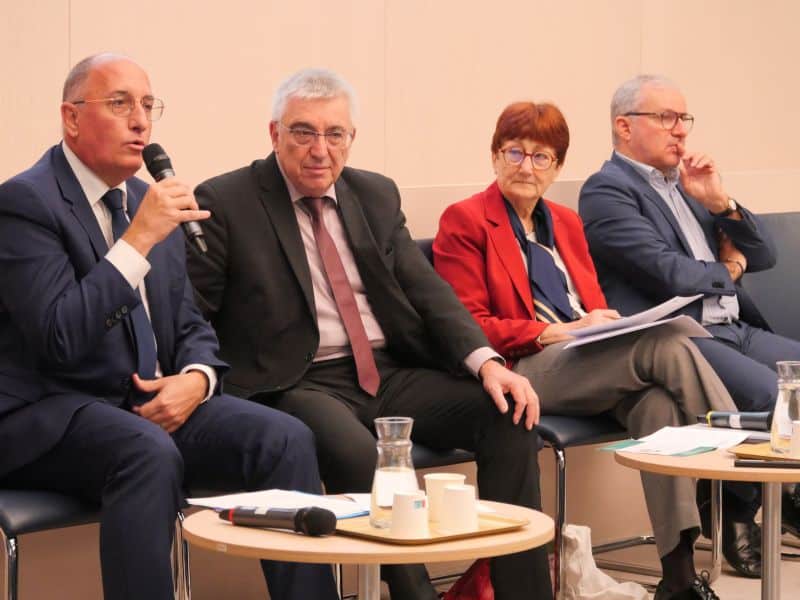
A second key milestone was the organisation of a day of debates at the Palais du Luxembourg, at the French Senate, on Monday 3 November 2025. Sponsored by Senators Hervé Gillé and Jean-Yves Roux, the event brought together nearly 200 participants and fostered in-depth discussions between elected officials, technical experts and institutional stakeholders. The full account of these exchanges is available here: https://lnkd.in/eE–g3Ns
Finally, CEPRI co-authored a policy briefing note on GEMAPI together with Fidal, Yann Landot and the FNCCR. This note emphasises that GEMAPI should be approached through its purpose and objectives, rather than solely through the individual tasks that make it up. The briefing note is available here: https://lnkd.in/eKntpTkk
Parliamentary discussions will continue in the coming weeks and are expected to play a decisive role in shaping the future of the GEMAPI competence.
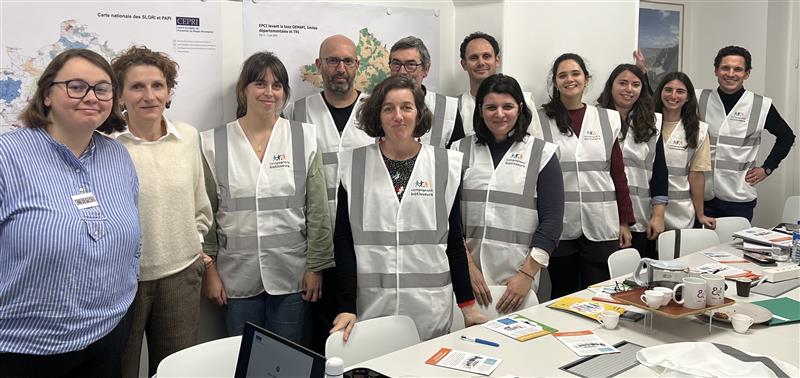
The training day dedicated to the Compagnons Bâtisseurs was part of a broader capacity-building approach aimed at strengthening the skills of their teams involved in housing improvement, particularly for low-income households and existing housing stock.
Participants were looking for a practical training session, directly applicable to their day-to-day professional activities, in order to better respond to residents’ questions. To meet these expectations, several tools and approaches were mobilised during the training:
identification of the human, technical and territorial issues associated with flooding,
presentation of the various flood prevention stakeholders and existing schemes,
description of adaptation works,
practical case studies and hands-on exercises to bridge the gap between theory and action.
The objective of this training was to equip the Compagnons Bâtisseurs, as field-based practitioners, with the means to take action, inform residents and support them in identifying realistic solutions adapted to their constraints and everyday uses.
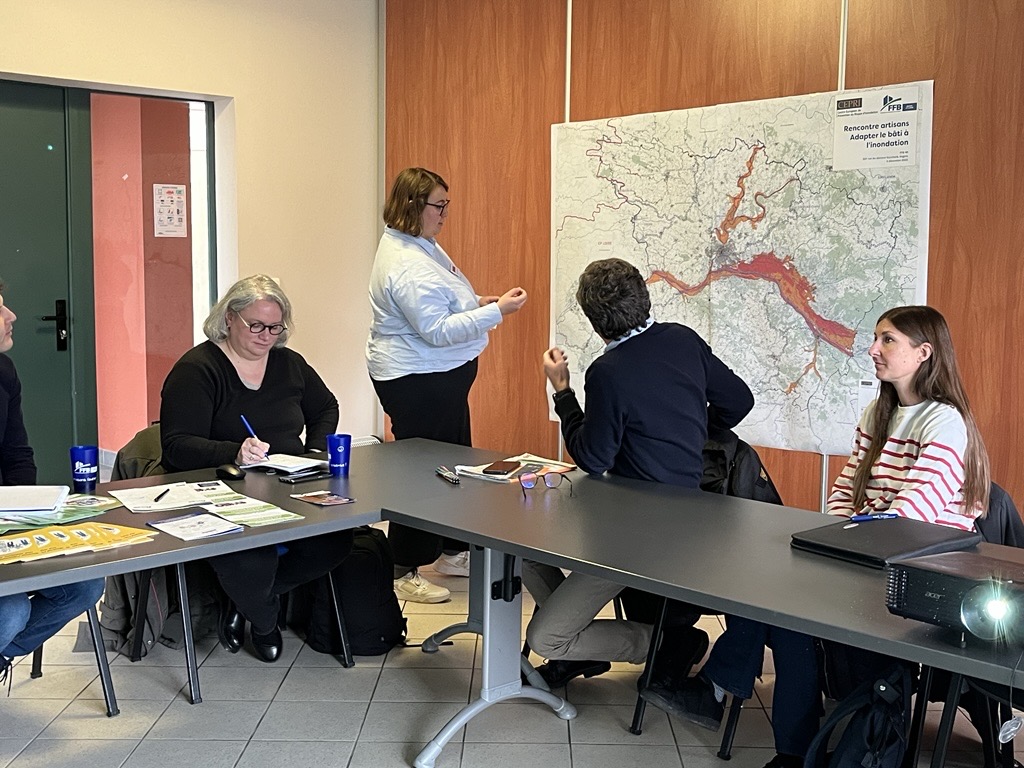
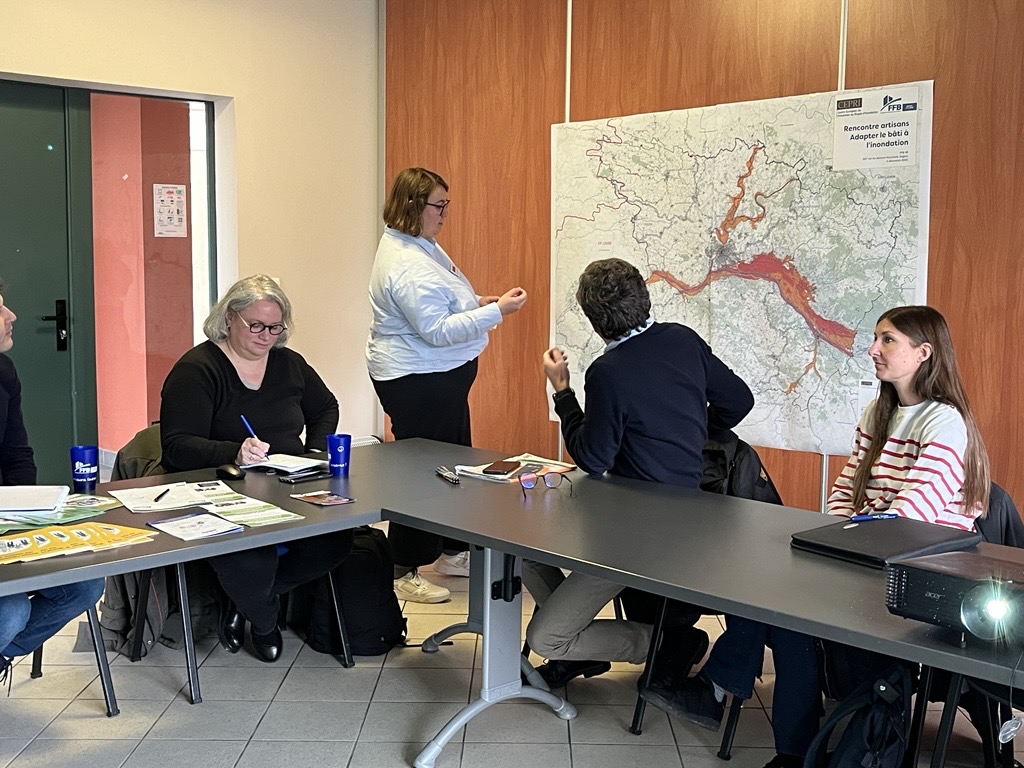
For over a year, the FFB – Fédération Française du Bâtiment and the CEPRI have been working together to develop the Resilient Craftspeople Meetings (Rencontres Artisans Résilients – RAR), an innovative initiative aimed at strengthening links between building professionals and the flood risk management ecosystem.
As climate change increases the frequency and intensity of flooding events, adapting existing buildings has become a major challenge. Craftspeople play a central role in this transition. The Resilient Craftspeople Meetings were therefore designed to support, mobilise and connect them with all stakeholders involved in flood risk prevention and adaptation.
A Local Mobilisation Initiative
The Resilient Craftspeople Meetings are conceived as key moments of local mobilisation, bringing together craftspeople, local authorities, technical experts and institutional partners. Their objectives are threefold:
Reassure craftspeople about their skills and legitimacy in adapting buildings to flood risks;
Create operational links between craftspeople, local authorities, diagnosticians and technical stakeholders;
Facilitate the transition to action for homeowners, by improving understanding of flood-related challenges and available adaptation solutions.
Without informed, trained and motivated craftspeople, effective action on building adaptation cannot take place. This is why fostering a shared dynamic and common understanding among local actors is essential.
A Proven and Relevant Approach
The most recent Resilient Craftspeople Meeting, held in Angers at FFB Maine-et-Loire, with the support of FFB Pays de la Loire, confirmed the relevance and effectiveness of the initiative. Feedback from participants highlighted the value of practical exchanges, technical insights and direct dialogue between professionals working on flood risk adaptation.
A Practical and Accessible Format
Each Resilient Craftspeople Meeting takes the form of a two-hour session, open to all stakeholders concerned with adapting buildings to flood risk. The programme includes:
A presentation of financial support schemes and funding opportunities available for flood adaptation works;
Technical contributions focusing on building adaptation solutions and good practices.
The session is followed by a networking lunch, creating an informal and conducive environment for discussion between craftspeople, state services (DDT), river basin organisations, diagnosticians and technical partners. This moment of exchange is a key component of the initiative, helping to build trust and long-term cooperation at the local level.
Practical Tools to Support Action
To complement the meetings, dedicated site work notebooks have been developed to support craftspeople in implementing flood adaptation works on the ground. These practical tools are available online:
In addition, a presentation leaflet detailing the objectives and format of the Resilient Craftspeople Meetings can be consulted here: https://lnkd.in/e-4kJU2R
Organising a Resilient Craftspeople Meeting in Your Area
Local authorities, river basin organisations and public services wishing to organise a Resilient Craftspeople Meeting in their territory are invited to contact the CEPRI team:
📩
By strengthening cooperation between craftspeople and flood risk stakeholders, the Resilient Craftspeople Meetings contribute to more resilient buildings and territories, and to turning awareness into concrete action.
You have just presented a new and ambitious coastal strategy. What are its main pillars and priorities? Could you tell us more about it?
Coastal Strategy 76 is an integrated coastal zone management strategy that was co-developed over a three-year period.
Its development took place in three stages:
Baseline assessment and shared diagnosis of hazards and challenges: this phase made it possible to mobilise stakeholders and establish a shared understanding of the situation.
Definition of a 2100 vision for our coastline: the identification of four desired coastal evolution pathways, depending on territorial configurations.
Action plan: the identification of short- and medium-term actions required to enter these pathways and contribute to achieving the 2100 vision.
More specifically, the strategy defines four visions for 2100:
(to be listed)
The action plan includes 25 actions in total, of which 10 are cross-cutting, applicable to the entire coastline, and 15 are local, targeting specific sites or territorial configurations.
Validated in June 2025, the focus must now shift to the implementation of these actions. Last October, SML76 established a monitoring committee for Coastal Strategy 76 to define priority actions. These are:
Coordinating and monitoring the implementation of actions
Establishing a long-term, coordinated strategy to raise awareness of coastal natural hazards and the impacts of climate change
Developing a guide/toolkit to support the integration of strategic orientations into spatial planning documents
Creating and facilitating a monitoring and evaluation observatory for shingle stocks and sediment transport
Setting up and running a system for acquiring, capitalising and sharing knowledge in support of the strategy
It is also planned to draft and sign an engagement charter in 2026.
Would you like to share any additional elements or messages you consider important?
Coastal Strategy 76 is a co-constructed strategy, with multiple action leaders depending on the topics addressed and the competencies involved.
Today, SML76 is responsible for coordinating the implementation and monitoring of this strategy.
It is essential to maintain the momentum initiated with all territorial stakeholders and to engage rapidly in concrete, locally necessary actions.
Since its creation, SML76 has also carried out actions that are not explicitly listed among the 25 actions of the Coastal Strategy 76 action plan, but which nevertheless contribute to the operational pathways towards achieving the 2100 vision. These include, in particular: the facilitation of a Partnership-Based Development Project in Criel-sur-Mer aimed at reconnecting land and sea; the co-leadership of a resilient development scheme for a narrow valleuse; the co-management of a study to improve knowledge of coastal flooding hazards in a port city; the organisation of coastal walks and school-based activities to foster risk awareness and raise awareness of the impacts of climate change, etc.
SML76 operates in complementarity with local initiatives already underway, such as PAPI, PCAET, and others.
For further information, all related materials (reports, meeting minutes, newsletters, videos, etc.) are available on the website: https://sml76.fr/la-strategie-littoral-76/
Its name says it all: we are all actors, and therefore designers of our territories. Each of us, in our own way, holds a responsibility for the resilience of flood-prone areas.
It’s also a call to (re)invent, to commit, to transform our practices.
This event brought together over 100 participants, for a dynamic cross-sector discussion between:
Local authorities
Urban planners, architects, and landscape designers
Engineers and risk prevention managers
The goal of the TOCO network – led and facilitated by #CEPRI, in partnership with GIP Europe des projets architecturaux et urbains (Daniel Andersch) and supported by the Association Architectes des Risques Majeurs – is clear:
To foster dialogue between urban planning and risk prevention communities, and step up efforts to transform flood-prone areas into ecosystemic spaces capable of responding to ongoing polycrises.
🔍 The discussions were enriched by concrete case studies:
Jean-Marc Bichat – Germe & Jam – “Vitry-Seine-Gare” project, Vitry-sur-Seine: a dense urban development in a flood-prone zone.
Cassandre Limier – Métropole du Grand Lyon – “PUP du Train Bleu”, Rochetaillée-sur-Saône.
Anne-Sophie Huet – Métropole Rouen Normandie – ZAC Luciline, Rouen.
These contributions helped identify the room for maneuver and the barriers—the frameworks that need to be broken—for urban projects to go even further in anticipating crises and enabling recovery.
Many critical questions were raised…
👉 What limits do local authorities and designers currently face in crafting urban projects that better respond to flood risks?
👉 The constraints of the #PPRI (Flood Risk Prevention Plan) provide a framework that encourages creative solutions—but it doesn’t say it all.
👉 Can the narrative of flooding become a tool to ensure that urban projects offer concrete solutions for users?
This first gathering lays the foundation for an ambitious collective dynamic.
A heartfelt thank you to all the speakers and participants for such an inspiring day.
AXA Prévention Association is launching “Climat et moi”, a platform designed to support and equip people in France as they face the real-life impacts of climate change — especially on what matters most: their home.
🏠 A house is more than just a roof over our heads. It’s a space of life, protection, and safety.
And yet…
1 in 4 homes in France is exposed to flood risk
62% of French people believe their home is not prepared for climate change
41% fear damage from natural disasters (Source: Baromètre des territoires 2025)
🎥 That’s why, in partnership with AXA Prévention Association, we’ve developed a practical module dedicated to flood protection for the home.
In it, you’ll find simple, accessible, and effective actions such as:
✔ Sealing cracks in the walls ✔ Installing backflow prevention valves ✔ Raising your electrical panel, boiler, and sockets
Each step is clearly explained to help reduce damage and strengthen the resilience of your home.
Thank you to Emilie Courageux and Agathe Peltier for their dedication, meticulous coordination, and thoughtful oversight at every stage of the project.
This module also brings to life our leaflet “My Home is Ready”, a resource many of you are already familiar with.
Because flood prevention relies on collective action by local authorities, individual responsibility, and the adaptation of our homes.
Let’s take action. Personal protection is a key lever in risk prevention.
Together, let’s face the impacts of climate change.
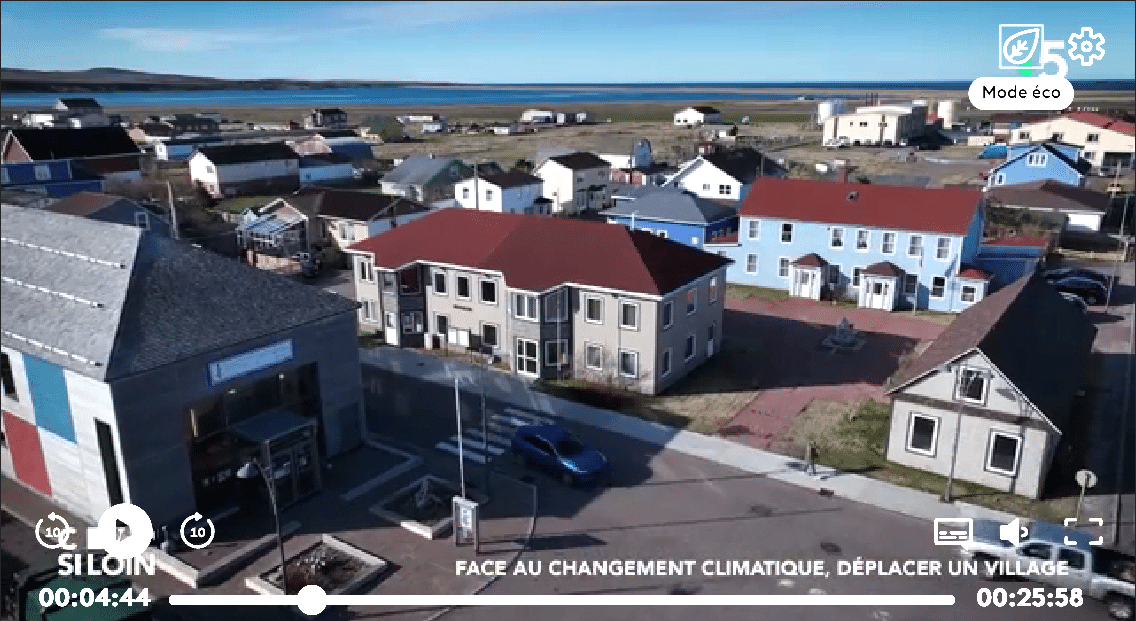
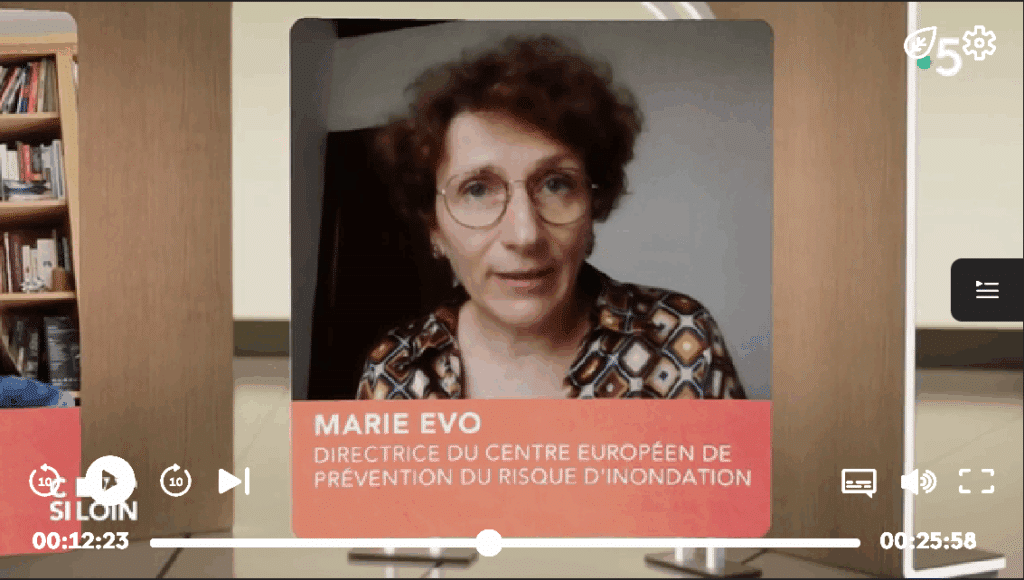
In this episode of C pas si loin on France 5, Marie Évo shared her expertise on a topic as ambitious as it is necessary: the relocation of the village of Miquelon-Langlade in Saint-Pierre-et-Miquelon.
🌊 In response to rising sea levels and increasingly severe storms, this reconstruction project — set 20 meters above sea level — is a concrete example of how communities are adapting to climate change. It also highlights the importance of raising awareness among the general public about the risks they face.
🏛️ How are local governments and elected officials adapting?
Local authorities are on the front lines: conducting risk assessments, engaging in dialogue with residents, and developing solutions tailored to the diversity of local contexts.
Saint-Pierre-et-Miquelon offers a remarkable case study: an urban planning project that allows residents to envision a desirable future, with new centers of community life and a shared vision of resilience.
To reduce future risks, we must act today.
📺 The episode is available to stream until May 2, 2026:
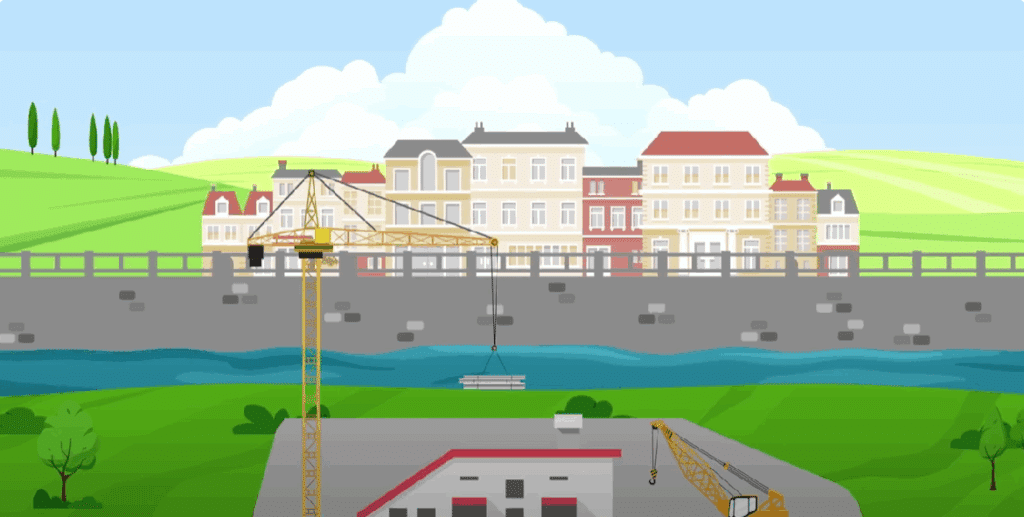
In France, floods are becoming more frequent and more intense — and climate change is amplifying the phenomenon.
Our land-use practices are also contributing factors:
· Urban development in flood-prone areas · Deforestation and intensive farming practices · Impermeable soils and modified waterways
📉 Less infiltration, more runoff… and increasingly vulnerable territories. The result: mudslides, flash floods, rising groundwater — sometimes far from rivers. The sea can also intrude during storms or breaches in coastal defenses.
Solutions do exist and are already being implemented:
Flood expansion zones
Soil-friendly agricultural practices
De-sealed cities with green roofs and vegetated streets
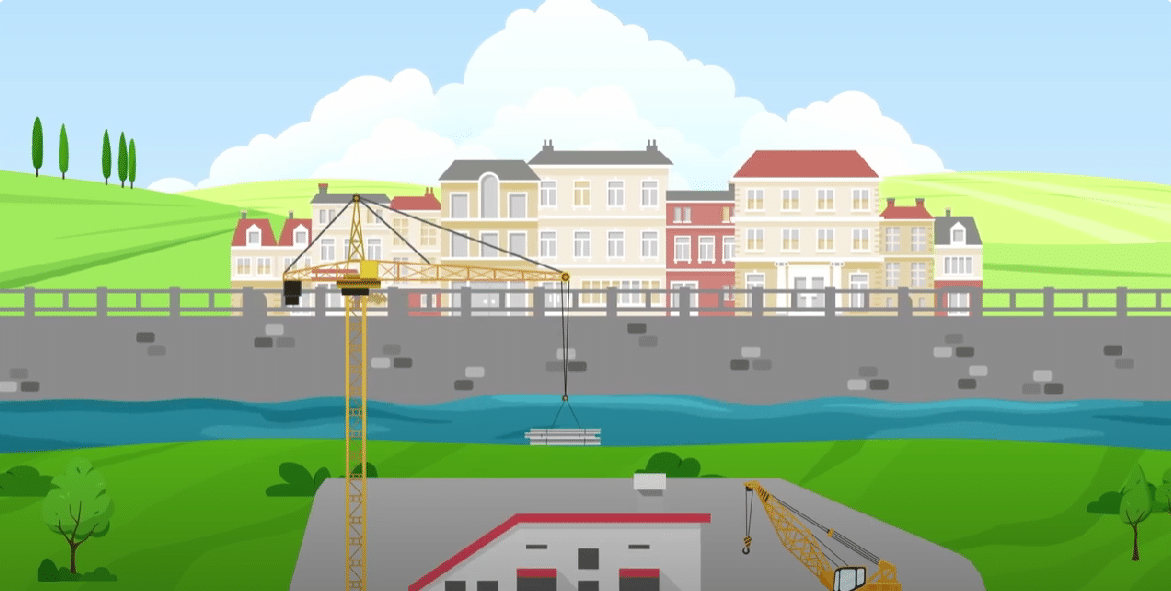
🎥 To better understand these mechanisms and the actions we can take, watch this video produced in partnership with MAIF:
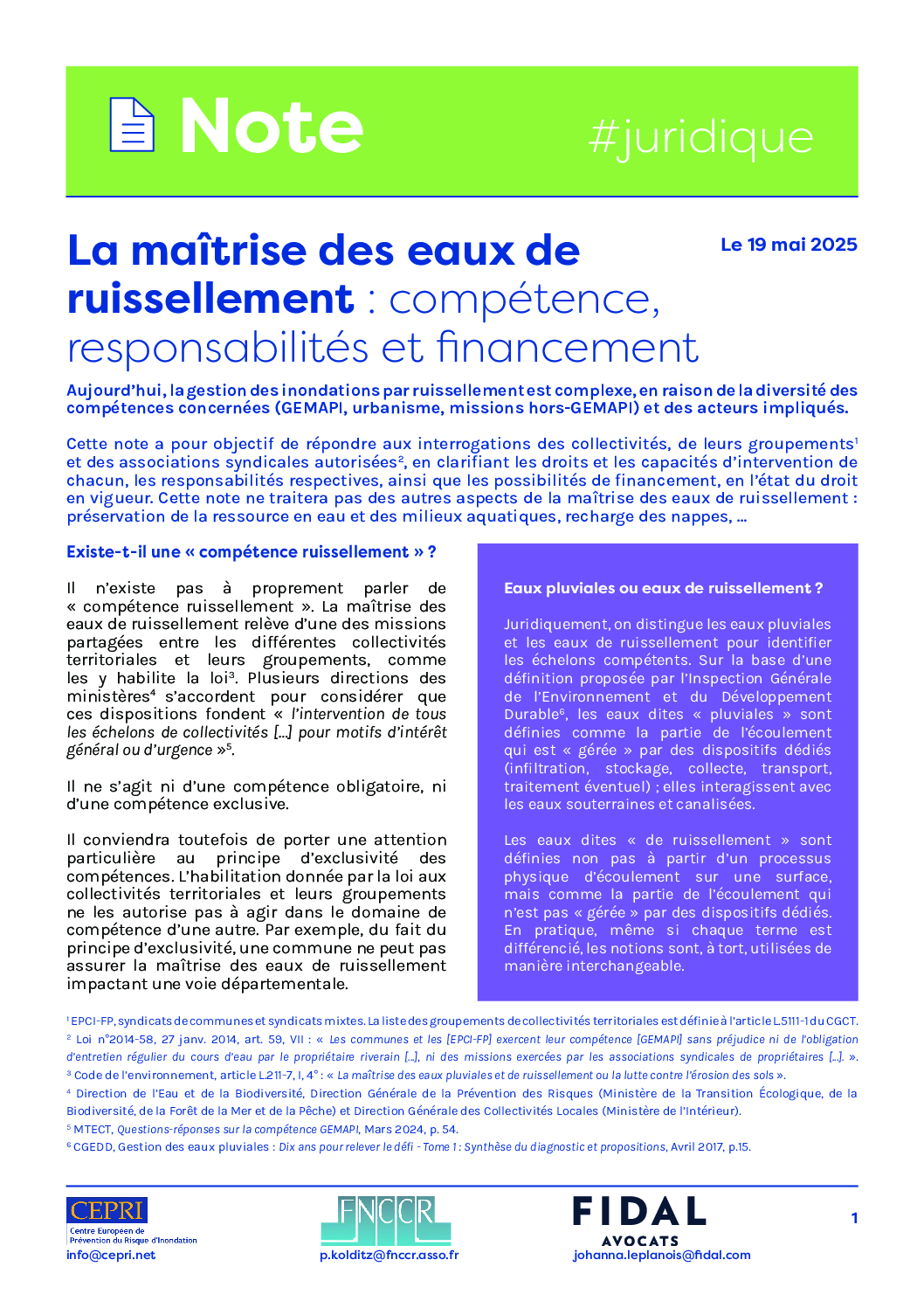
💡 CEPRI, in partnership with FNCCR and the Fidal law firm, has published a landmark legal briefing aimed at local authorities, to clarify the complex issues surrounding the management of stormwater runoff.
Often straddling multiple areas of jurisdiction, runoff presents not only technical challenges, but also legal and financial ones, requiring precise and tailored responses.
A publication to address key questions raised by local stakeholders:
👉 Is there such a thing as a formal “runoff management responsibility”? 👉 What are the legal obligations of local authorities in this field? 👉 How can preventive measures be funded without a dedicated revenue stream?
Objectives of the note:
✔ Define and clarify the scope of relevant competences: GEMAPI, GEPU, urban planning, roads, etc. ✔ Identify actionable legal and operational tools: intermunicipal cooperation, mayoral police powers, declaration of public utility (DIG) procedures… ✔ Provide an overview of funding sources: Green Fund, Barnier Fund, urban planning contributions, and more.
📘 A practical tool to support local action
This legal briefing is intended for elected officials, technical staff, legal advisors, and all those involved in flood risk management and climate-resilient urban planning. It was designed as a decision-making tool—both rigorous and accessible—to help guide local governments facing increasingly pressing challenges.