Facing Climate Change: Relocating an Entire Village!

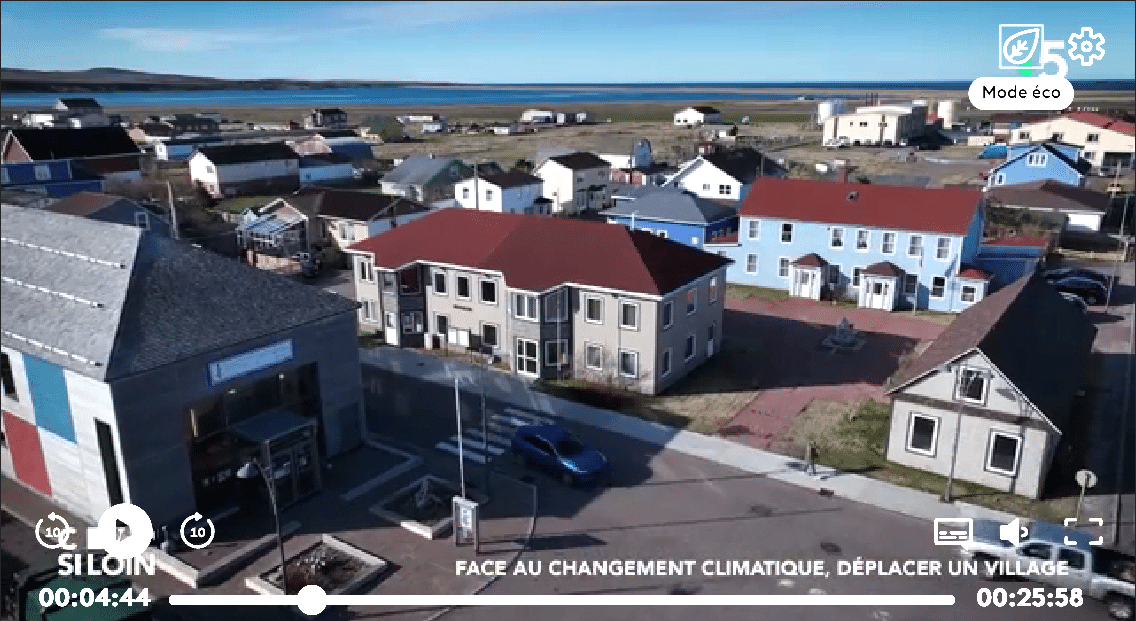
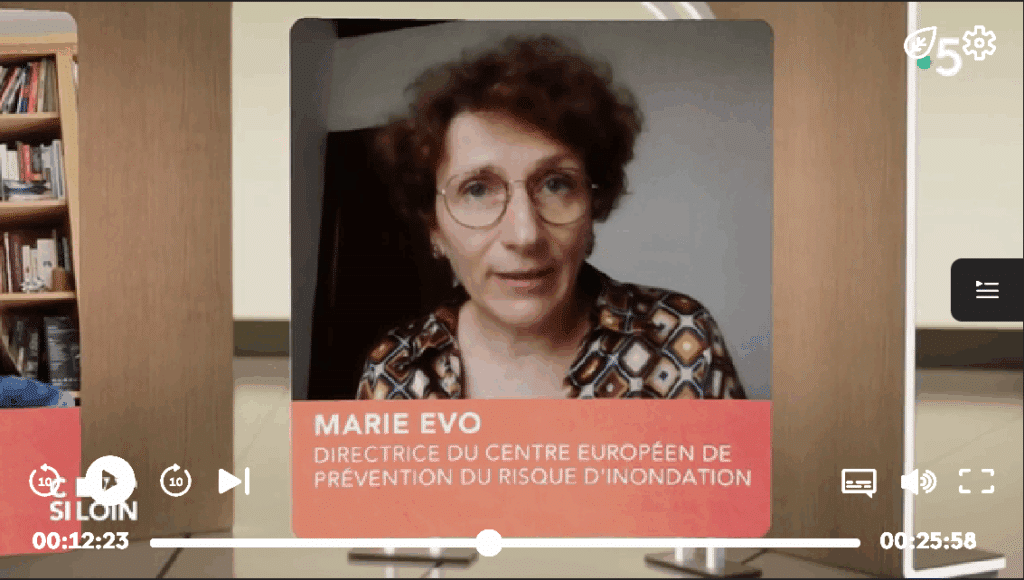
In this episode of C pas si loin on France 5, Marie Évo shared her expertise on a topic as ambitious as it is necessary: the relocation of the village of Miquelon-Langlade in Saint-Pierre-et-Miquelon.

🌊 In response to rising sea levels and increasingly severe storms, this reconstruction project — set 20 meters above sea level — is a concrete example of how communities are adapting to climate change. It also highlights the importance of raising awareness among the general public about the risks they face.

🏛️ How are local governments and elected officials adapting?

Local authorities are on the front lines: conducting risk assessments, engaging in dialogue with residents, and developing solutions tailored to the diversity of local contexts.

Saint-Pierre-et-Miquelon offers a remarkable case study: an urban planning project that allows residents to envision a desirable future, with new centers of community life and a shared vision of resilience.

To reduce future risks, we must act today.

📺 The episode is available to stream until May 2, 2026:

👉 https://lnkd.in/e4F9Frki

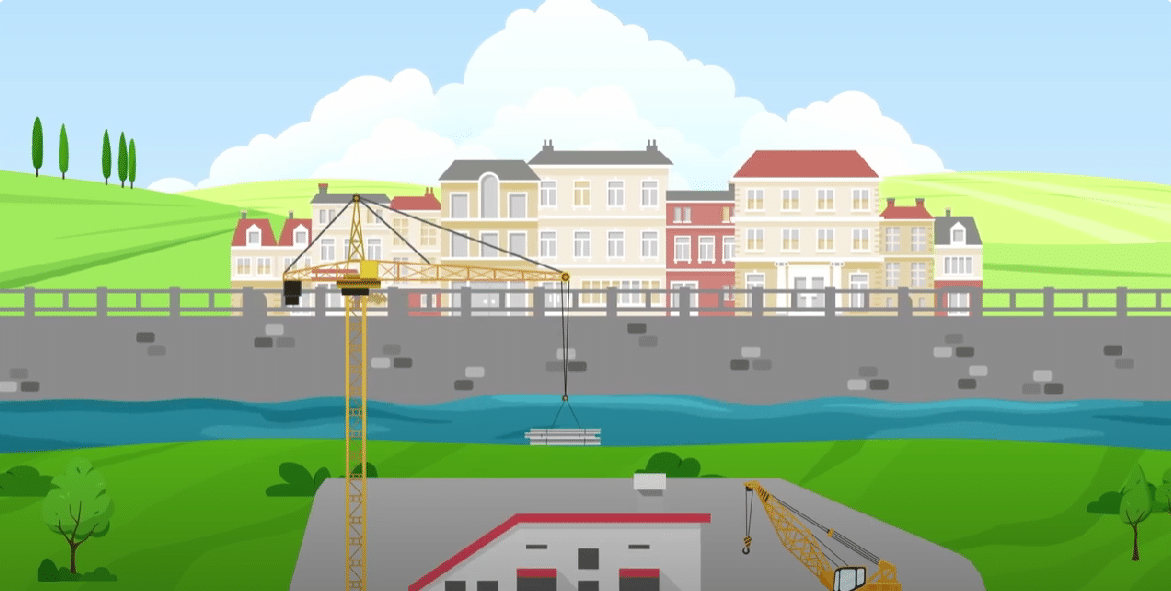
🌊 Floods: Understanding to Act Better!

In France, floods are becoming more frequent and more intense — and climate change is amplifying the phenomenon.

Our land-use practices are also contributing factors:

· Urban development in flood-prone areas
· Deforestation and intensive farming practices
· Impermeable soils and modified waterways

📉 Less infiltration, more runoff… and increasingly vulnerable territories.
The result: mudslides, flash floods, rising groundwater — sometimes far from rivers. The sea can also intrude during storms or breaches in coastal defenses.

Solutions do exist and are already being implemented:

  • Flood expansion zones
  • Soil-friendly agricultural practices
  • De-sealed cities with green roofs and vegetated streets

🎥 To better understand these mechanisms and the actions we can take, watch this video produced in partnership with MAIF:

👉 https://www.youtube.com/watch?v=s1fRMXWOJvs

When it comes to risk, understanding is the first step to preparedness. And adaptation requires collective action.

💧 Stormwater Runoff: A Legal Headache for Local Authorities?

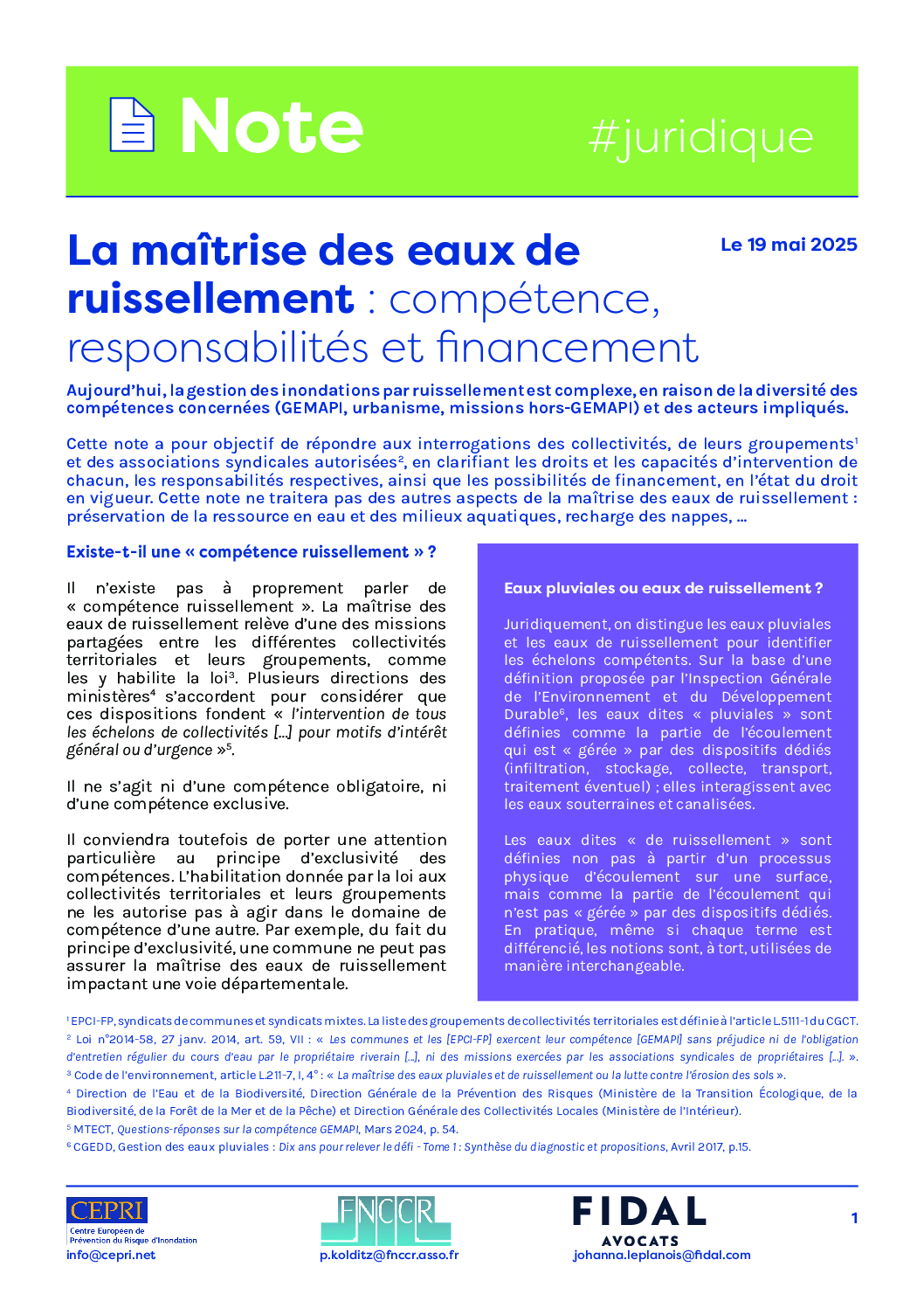
💡 CEPRI, in partnership with FNCCR and the Fidal law firm, has published a landmark legal briefing aimed at local authorities, to clarify the complex issues surrounding the management of stormwater runoff.

Often straddling multiple areas of jurisdiction, runoff presents not only technical challenges, but also legal and financial ones, requiring precise and tailored responses.

A publication to address key questions raised by local stakeholders:

👉 Is there such a thing as a formal “runoff management responsibility”?
👉 What are the legal obligations of local authorities in this field?
👉 How can preventive measures be funded without a dedicated revenue stream?

Objectives of the note:

✔ Define and clarify the scope of relevant competences: GEMAPI, GEPU, urban planning, roads, etc.
✔ Identify actionable legal and operational tools: intermunicipal cooperation, mayoral police powers, declaration of public utility (DIG) procedures…
✔ Provide an overview of funding sources: Green Fund, Barnier Fund, urban planning contributions, and more.


📘 A practical tool to support local action

This legal briefing is intended for elected officials, technical staff, legal advisors, and all those involved in flood risk management and climate-resilient urban planning. It was designed as a decision-making tool—both rigorous and accessible—to help guide local governments facing increasingly pressing challenges.

📄 The document is available for download:
CEPRI – Stormwater Management Briefing

CEPRI extends its sincere thanks to all contributors and reviewers for their expertise and commitment:

  • Mr. Pierre Kolditz, Water Cycle Legal Advisor, FNCCR
  • Ms. Sandrine Potier Moreau, Technical Advisor, FNCCR
  • Ms. Johanna Leplanois, Partner, Fidal Law Firm

General Assembly of CEPRI – Thursday, May 15, 2025

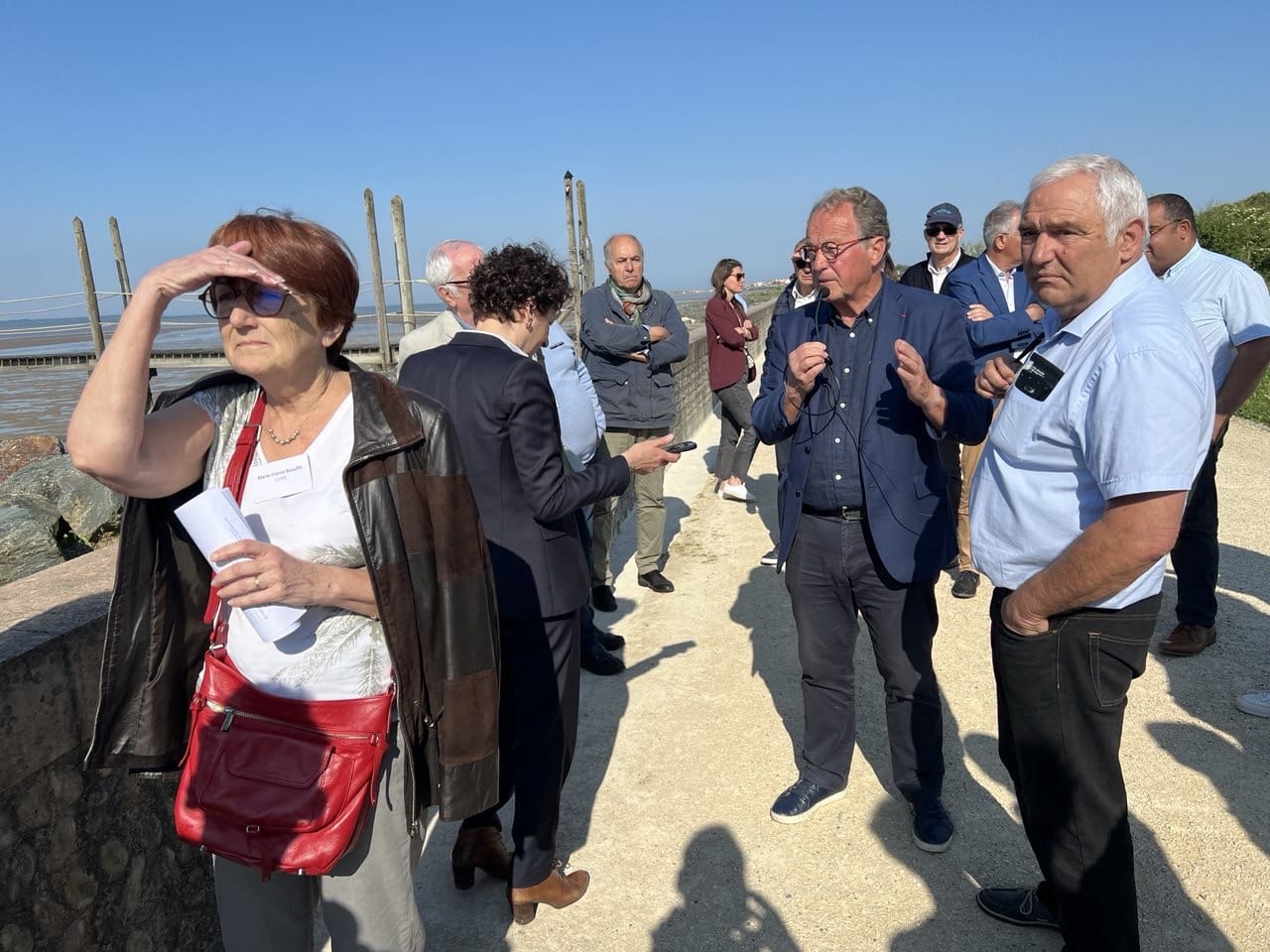
💡 On Thursday, May 15, 2025, CEPRI members gathered in Charente-Maritime for a General Assembly marked by productive discussions, site visits, and a strong strategic focus.

A Day Bridging Local Action and National Challenges

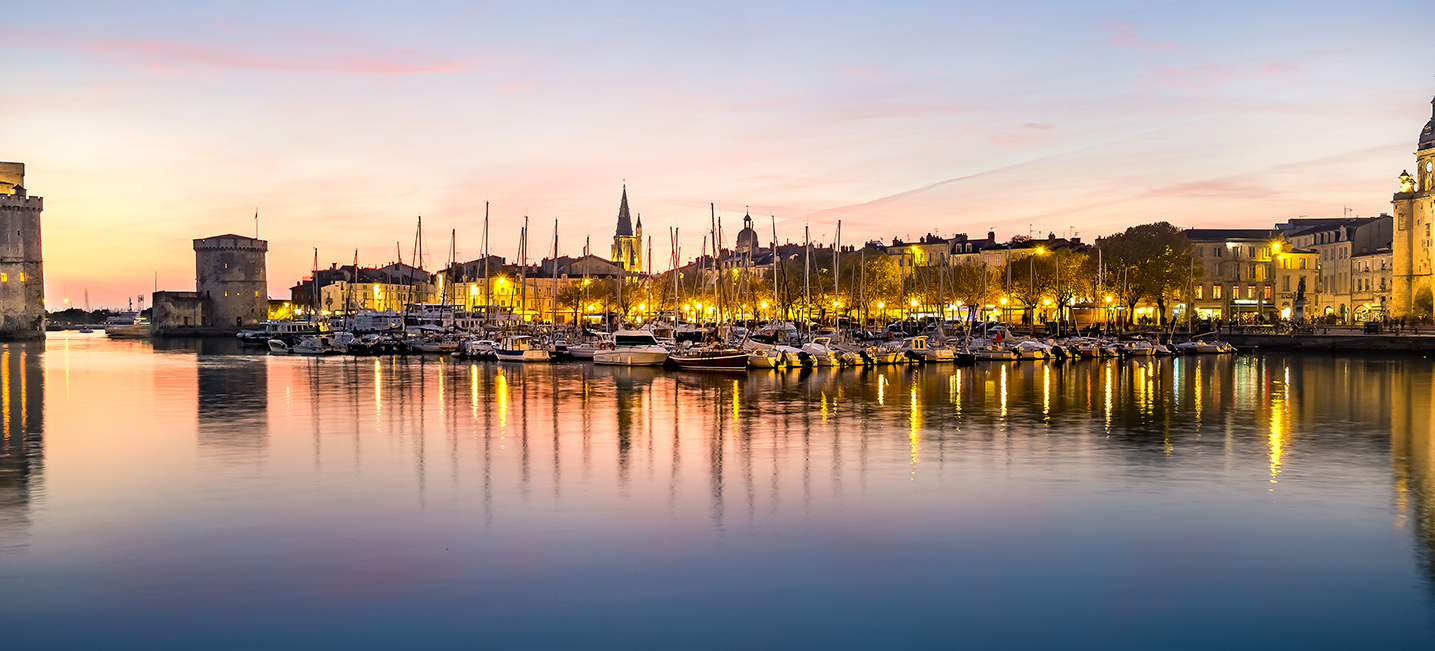
The day began in Châtelaillon-Plage, a symbolic location for coastal resilience following storm Xynthia. It provided an opportunity for CEPRI board members to meet with local elected officials, particularly from La Rochelle Agglomeration, and engage in a constructive dialogue on flood risk governance.

The visits continued in Yves and at the Libération construction site in Rochefort, centered around a key question:
How can a flood protection structure be integrated into a major heritage site?

These site visits concretely illustrated how strong political will can turn a natural disaster into a driver of transformation and territorial attractiveness — closely coordinated with State services.

Institutional Dialogue and Strategic Outlook

The afternoon was dedicated to institutional exchanges, during which several local initiatives were highlighted. Notably:

  • The Charente-Maritime Department’s role in coordinating inter-municipalities and partners such as UNIMA
  • The commune of Saintes’ active involvement in a “Territories Workshop” following recent floods

A lively yet constructive debate brought together CEPRI board members, the Mayor of Saintes, and the President of La Rochelle Agglomeration around a key structural issue:
➡️ Implementing the GEMAPI competence (Management of aquatic environments and flood prevention) across the Charente River basin.

The discussions provided valuable feedback on crisis management, highlighting its limitations and calling for a collective reflection on current tools and coordination methods.

A General Assembly Under the Sign of Continuity and Adaptation

The General Assembly was held at the premises of EPTB Charente, whom we warmly thank for their hospitality. The institution presented its strategic work, particularly on:

  • Individual adaptation of buildings
  • Supporting inter-municipal authorities (EPCI) in land-use planning

On the agenda:

✅ Approval of the 2024 financial accounts
✅ Renewal of the Board of Directors
✅ Validation of the 2025–2027 Strategic Plan
✅ Amendments to CEPRI’s statutes

These decisions reflect CEPRI’s commitment to continuing its work with agility in a context of evolving risks and territorial needs.

A Collective Expertise in Service of the Territories

We were pleased to welcome the active participation of our expert committee, notably represented by David Goutx and Régis Thépot, former director of EPTB Loire and Seine Grands Lacs, whose insights greatly enriched the discussions.

CEPRI extends its sincere thanks to all participants, elected officials, and partners for their commitment, the quality of the dialogue, and their continued support.

What’s Next?

CEPRI continues its mission in support of flood-prone territories, now more than ever acting as:
➡️ a hub of expertise, dialogue, and support for elected officials, technicians, and State services — enabling the concrete and adapted implementation of flood risk prevention and management policies.

Skip to content